
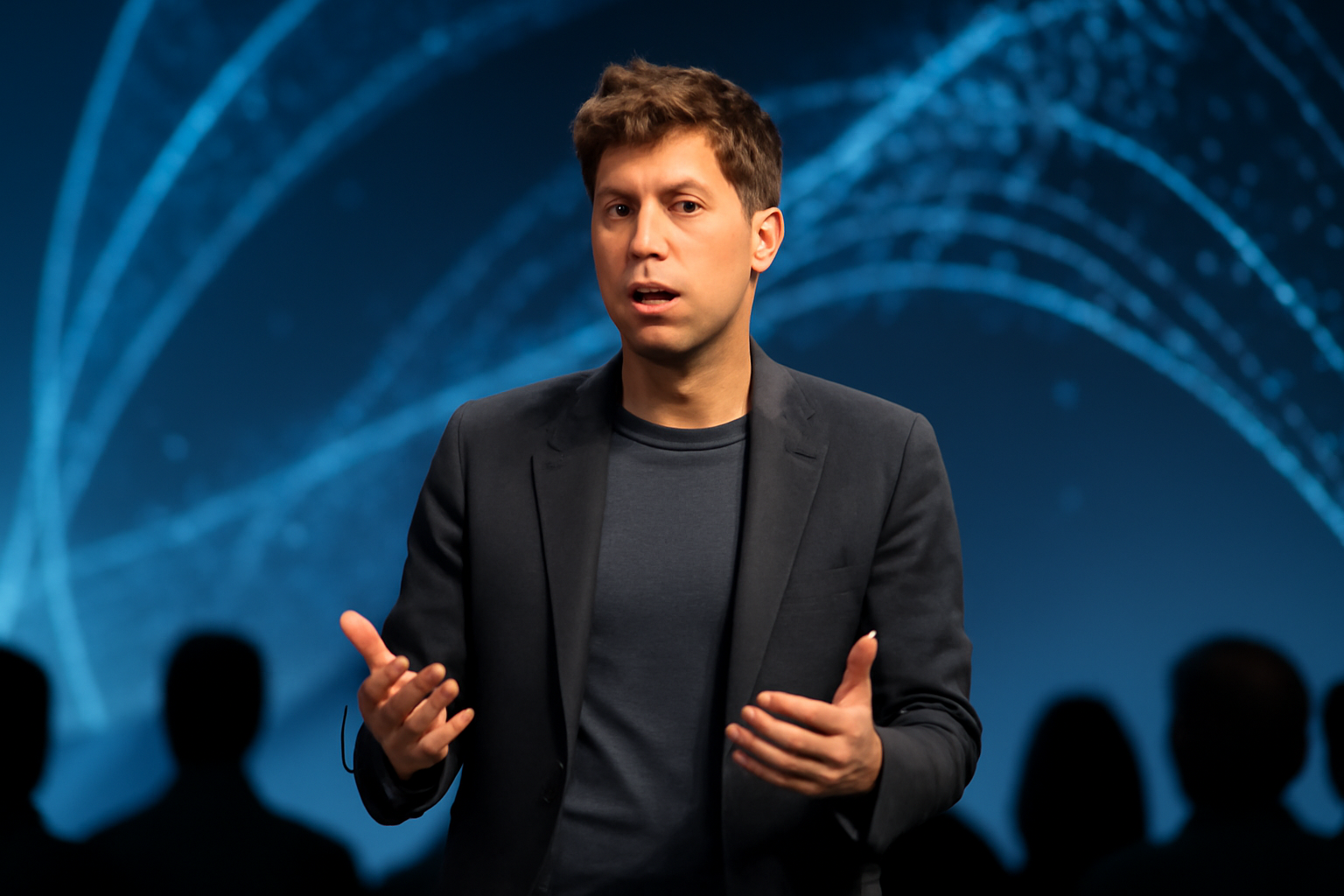
Sam Altman pushes OpenAI’s next chapter with a public case for AI-era economic reform
Sam Altman is once again shaping the AI conversation, this time by arguing that governments should rethink how wealth from advanced artificial intelligence is taxed, regulated, and shared. The latest move shows the OpenAI chief executive leaning into policy as aggressively as product strategy.
- Altman has publicly advanced a vision for AI-era tax and redistribution policy.
- The proposal adds a political dimension to OpenAI’s already fast-moving business agenda.
- The debate comes as OpenAI continues to face pressure over safety, scale, and the economics of AI infrastructure.
A broader public role for Altman
Altman’s latest turn is notable because it goes beyond model releases, app features, or partnership announcements. Instead, he is taking an explicit position on how society should respond if AI creates outsized economic gains for a small number of companies and investors.
That framing makes him more than a company executive. It places him in the middle of a larger debate about how governments should prepare for a future in which automation, labor displacement, and AI-generated productivity gains could reshape public finances.
Why the timing matters
The argument arrives at a moment when OpenAI is under intense scrutiny over the cost of building frontier AI systems and the scale of infrastructure required to support them. In that context, Altman’s policy push reads as both a philosophical statement and a strategic signal about the kind of future OpenAI expects to help define.
It also helps reinforce a familiar pattern: Altman often uses major public appearances or statements to widen the frame around OpenAI, moving the discussion from product features to civilizational questions about power, labor, and wealth.
What it could mean for OpenAI
If Altman keeps pressing this line, OpenAI’s influence may extend further into public policy discussions in the United States and abroad. That could make the company even more central to debates over regulation, antitrust, and AI governance.
At the same time, it may also invite sharper criticism. Supporters are likely to see a serious attempt to plan for AI’s social impact, while skeptics may view it as an effort by one of the world’s most powerful AI companies to help define the rules of the road.
What’s next for the debate
The key question is whether Altman’s proposal becomes a serious policy conversation or remains a high-profile framing device. Either way, it reinforces that OpenAI’s CEO is trying to influence not just what AI can do, but how the gains from AI should be distributed.
What to Watch
Watch for any follow-up from OpenAI, policymakers, or industry rivals that turns Altman’s comments into a concrete legislative, regulatory, or philanthropic proposal. If the idea gains traction, it could become one of the most consequential AI policy themes of 2026.
Source Reference
Primary source: Axios
Source date: 2026-04-06
Reference: Read original source





Leave A Comment