OpenAI launches ImageGen 2.0 inside ChatGPT, expanding the app’s image-making tools
OpenAI rolled out ImageGen 2.0 in ChatGPT on April 21, 2026, giving the chatbot a new native image-generation model and adding a paid ImageGen 2.0 Thinking mode that can reason through prompts, produce multiple outputs, and tap web search. The update is available across all ChatGPT plans, while the Thinking variant is limited to paid users and selected Thinking and Pro model options.
ImageGen 2.0 arrives as a default ChatGPT feature
The release makes image generation a core part of the ChatGPT experience rather than a separate add-on. OpenAI says ImageGen 2.0 is available to all ChatGPT plans, which means free users now get the new image model alongside paying customers. That broad rollout suggests the company sees image creation as a mainstream ChatGPT use case, not a premium niche.
The timing also matters. OpenAI introduced the update on April 21, 2026, just days after other changes to ChatGPT’s product lineup, including ads in some regions and new model-tier adjustments. ImageGen 2.0 is the clearest consumer-facing launch in that stretch, and it gives ChatGPT another reason to be used directly for creative work instead of routing users to a separate design app.
The Thinking mode adds reasoning and web search to image generation
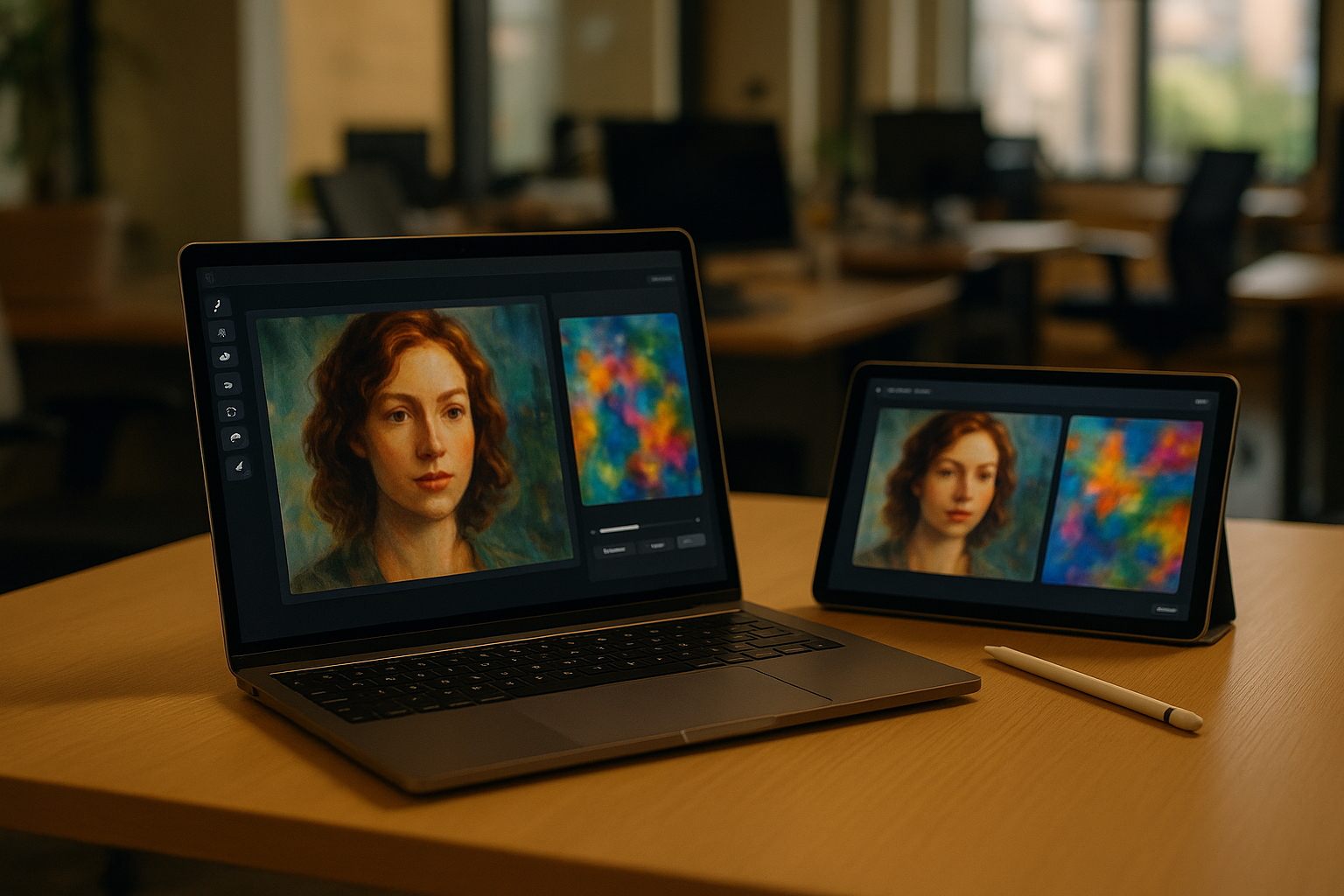
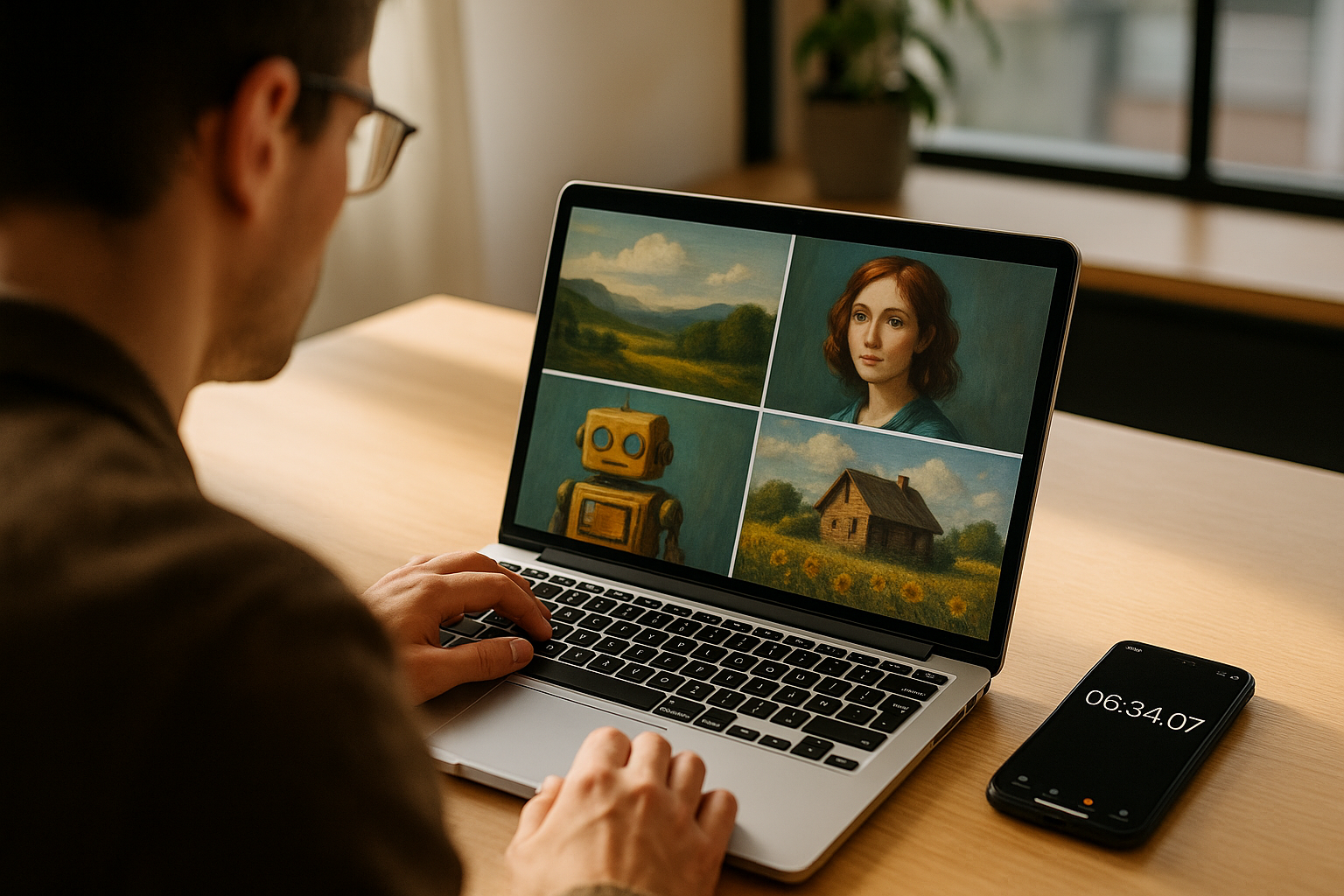
The more consequential part of the launch is ImageGen 2.0 Thinking. OpenAI says the mode adds reasoning, multi-output generation, and access to tools such as web search. In practice, that pushes ChatGPT’s image workflow closer to an assisted production pipeline, where the model can interpret a request, explore options, and generate several variations rather than returning a single pass at a prompt.
That combination is operationally important for users working on marketing concepts, editorial illustration, product mockups, or internal presentation graphics. A model that can search, reason, and iterate is better suited to tasks where visual output has to match a specific brief, not just look plausible. It also moves ChatGPT further into the territory of tool-using software rather than a standalone text model.
Why the release matters for ChatGPT’s product direction
OpenAI has been steadily turning ChatGPT into a broader workspace, with recent releases spanning mobile, email, calendar, and file integrations. ImageGen 2.0 fits that pattern by making visual creation part of the same interface where users already draft text, analyze files, and manage tasks. The practical effect is fewer context switches between apps and a tighter loop from prompt to finished asset.
For OpenAI, the launch also gives the company a more differentiated ChatGPT bundle at a time when consumer AI tools are converging on similar core chat features. By pairing a new image model with a reasoning-enabled version, OpenAI is signaling that the next stage of ChatGPT is not just better answers, but more capable output across formats. The new feature is already live, and the paid Thinking mode extends that system with a more deliberate workflow for higher-stakes image generation.
Source: OpenAI Help Center; OpenAI Newsroom
Date: 2026-04-21