What image generator does ChatGPT use in 2026? OpenAI’s own model is built in
If you are asking what image generator ChatGPT uses in 2026, the short answer is straightforward: it uses OpenAI’s native image model inside ChatGPT itself, not a separate third-party generator. That matters because the output quality, editing behavior, and usage limits are tied to the ChatGPT product you are actually using, not to an external app layered on top.
For most readers, the practical takeaway is even simpler. When you ask ChatGPT to create or edit an image, you are working with OpenAI’s integrated image generation system. In other words, the name you see in the interface may be ChatGPT, but the image engine behind it is OpenAI’s own.
ChatGPT’s image generator is part of the product, not an add-on
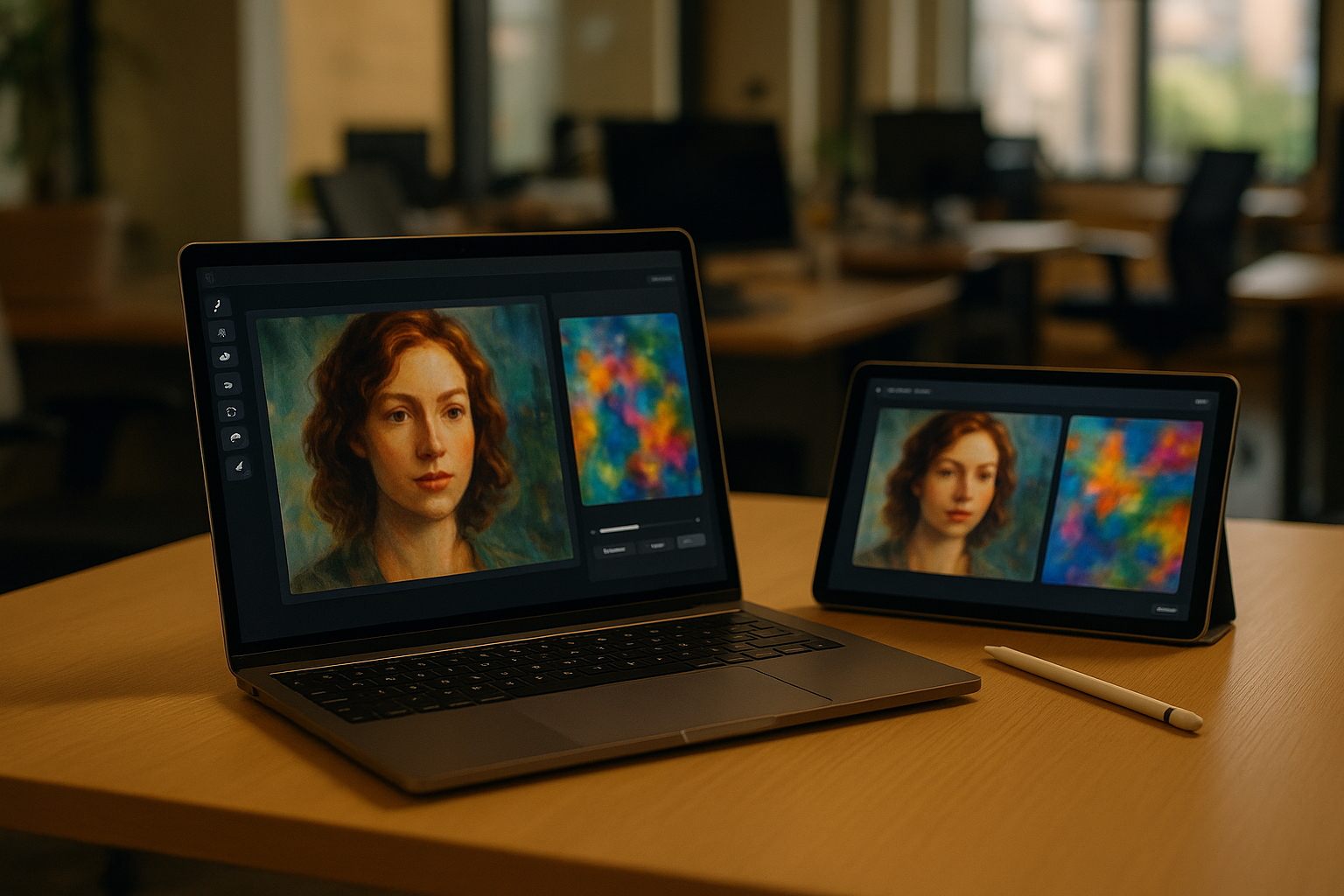
ChatGPT’s image feature is built into the app experience rather than routed through a separate image website. That means text prompts, revisions, and image edits all happen in the same conversation flow. You do not need to choose a different external generator first and then bring the result back into ChatGPT.
For users, this changes how the tool behaves in practice. Prompting tends to feel more conversational, and follow-up edits are handled in context. If you ask for a different background, a tighter crop, or a small visual correction, ChatGPT can treat that as part of the same generation session instead of starting over from scratch.
Why the exact generator name matters for quality and limits
People usually ask this question because they want to know whether ChatGPT is using a top-tier proprietary image model or borrowing output from somewhere else. In 2026, the important point is that OpenAI controls the model, the interface, and the safety layer. That affects how consistently the tool follows instructions, how it handles text inside images, and how strict it is about certain prompts.
It also affects commercialization and access. If OpenAI updates the image model inside ChatGPT, users may see better image fidelity, faster edits, or different guardrails without switching tools. But that also means availability can vary by plan, region, and product rollout. The experience in ChatGPT may not match what you get from other OpenAI products or developer-facing APIs.
How to tell you are using the ChatGPT image generator in 2026
The easiest check is simple: if you are generating images directly in a ChatGPT conversation and the app accepts your prompt without sending you to another service, you are using OpenAI’s built-in image generator. In many cases, the same chat can handle both creation and refinement, which is one of the clearest signs that you are inside the native workflow.
That setup is useful for everyday tasks like social graphics, blog visuals, concept art, product mockups, and quick image edits. It is also the reason many users prefer ChatGPT for prompt-based image work: the assistant can translate a rough idea into a more precise visual brief without forcing you to learn a separate design interface.
The clearest answer for buyers and researchers
If you are comparing tools, the right way to think about ChatGPT in 2026 is this: ChatGPT is the front end, and OpenAI’s own image model is the engine behind it. That makes the product easier to use, but it also means the feature is shaped by OpenAI’s release cycle, safety policies, and plan-level access rules.
For anyone researching ChatGPT image generation, the best next step is to test the current in-app image tool with the kind of prompt you actually plan to use. The result will tell you more than the model name alone, especially if your work depends on text accuracy, stylistic consistency, or fast revision loops.