When did ChatGPT add image editing? The feature arrived with ChatGPT’s multimodal image tools in 2024
ChatGPT added image editing as part of its broader move into multimodal image generation in 2024. The important detail for users is that image editing did not arrive as a separate, standalone product; it was introduced when ChatGPT began handling images more like editable outputs inside the same conversation flow.
If you are trying to pinpoint the date for product research or workflow planning, the clean answer is 2024. That is when ChatGPT’s image experience shifted from simple generation toward editing existing visuals and refining images through prompts, making the app useful for more than just first-draft image creation.
ChatGPT’s image editor came with the 2024 multimodal rollout
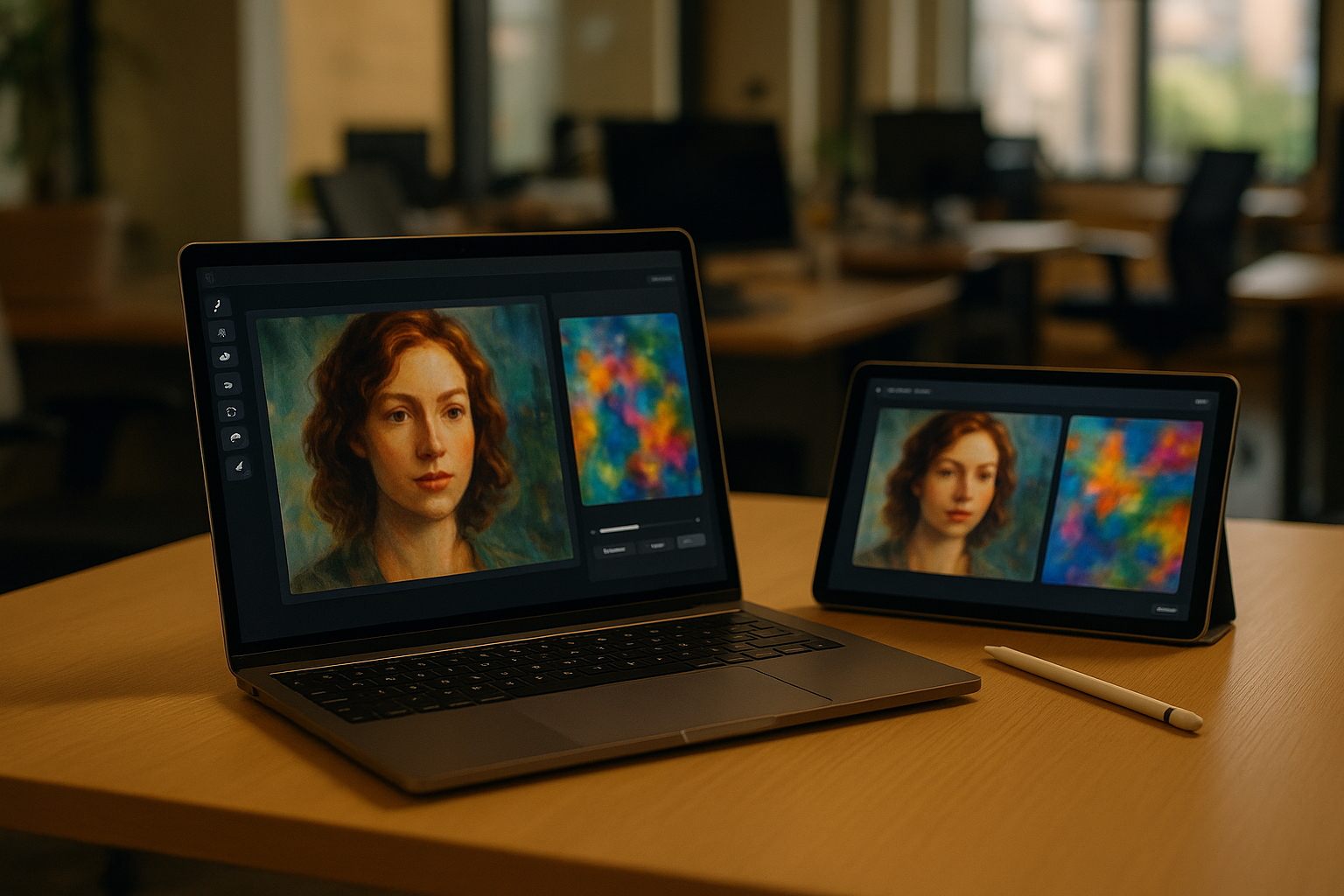
The milestone that matters is the 2024 expansion of ChatGPT’s image capabilities. Instead of stopping at text-to-image prompts, the product began supporting image changes, iterative revisions, and prompt-based adjustments inside the chat experience.
That distinction matters because it changed how people used the tool. Users no longer had to generate an image and then move to a separate editor for basic revisions. The editing step became part of the same workflow, which made ChatGPT more practical for quick creative tasks, internal drafts, social content, and rough concept work.
Why the timing mattered for creators and teams
The addition of image editing moved ChatGPT closer to an all-in-one creative assistant. For creators, that meant faster changes to composition, style, and visual detail without leaving the chat. For marketers and bloggers, it reduced friction when a visual needed one more pass before publication or presentation.
It also changed the commercial logic of the product. A model that can both generate and edit images inside the same interface has a clearer use case than a pure image generator, because it supports revision-heavy workflows. That makes it more useful for people who need iterations rather than one-off outputs.
What ChatGPT image editing can and cannot replace
ChatGPT’s image editing feature is best understood as a prompt-driven assistant, not a full replacement for advanced design software. It is built for fast edits, contextual changes, and conversational refinement, not for every precision task a professional editor would handle in dedicated software.
That limits and clarifies its role. If you need rapid concept iteration, the built-in editor is useful. If you need exact layer control, complex compositing, or production-grade retouching, a traditional image editor may still be the better tool. The value of ChatGPT’s version is speed and simplicity, especially for users who are already working in the chat interface.
What to check if you are comparing versions or access
Because ChatGPT’s image features have continued to evolve, the practical question is not only when the editor arrived, but what version of the tool you are using now. Access, quality, and editing behavior can vary depending on product updates and account tier, so older descriptions of ChatGPT image tools may no longer match the current experience.
For users researching the feature today, the safest approach is to treat 2024 as the point when ChatGPT added image editing, then verify the current interface and available controls in the app itself. The feature has become part of the standard conversation around ChatGPT image generation, but the specific editing behavior continues to depend on ongoing product changes.